
Dental Bonding in Raleigh, NC
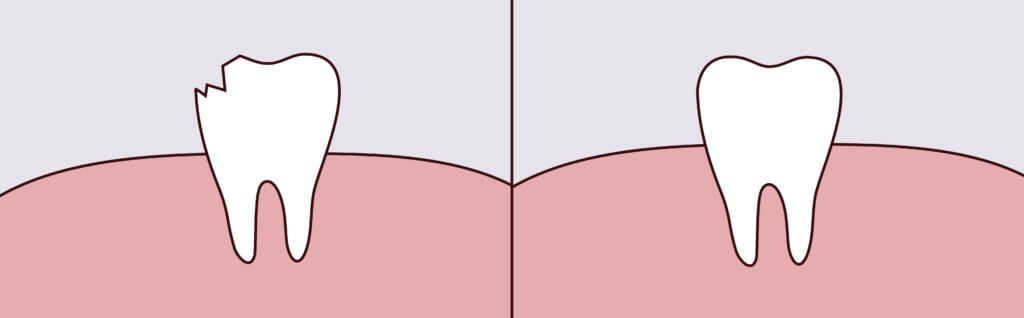
Do you have chipped, cracked, or stained teeth? Luckily, these minor imperfections can be easily treated with a simple treatment called dental bonding. VP Dental offers expert tooth bonding in Raleigh, NC. Here’s what you can expect from this cosmetic dentistry treatment.
What is Dental Bonding?
Dental bonding is a cosmetic treatment that helps enhance the appearance of your smile by using composite resin to alter the size, shape, or color of damaged teeth. Also called tooth bonding, it provides fully reversible minor tooth restoration without the need for anesthesia. Unlike other treatments like porcelain veneers and dental crowns that also hide tooth imperfections, cosmetic bonding is a quick, safe, and effective treatment that can improve your smile.
Who needs Tooth Bonding?
Dental bonding is one of the most popular cosmetic dental treatments we offer at our dental office. You will benefit from VP Dental bonding services if you need any of the following:
- Covering any cracks or chips in your teeth
- Hiding teeth discoloration
- Closing big spaces between teeth
- Lengthening a tooth to match other teeth
- Modifying your tooth’s shape
If you think you can benefit from a dental bonding treatment, contact VP Dental whenever you are available. We offer tooth bonding in Raleigh, NC, and Dr. Preston can help determine if the treatment is right for you. For more significant damage like decay and broken teeth, we might recommend a dental crown or veneer.
How is Cosmetic Bonding done?
The process of dental bonding starts by thoroughly cleaning the tooth or teeth in question. Then, Dr. Preston will use a shade chart to choose a composite resin that closely matches the color of your natural teeth. After that, she will first roughen the tooth’s surface before applying a bonding solution.
Next, Dr. Preston will apply the composite resin to conceal discolorations or stains, repair cracks, or reshape your tooth. The composite resin will be fully bonded with the help of a special curing light. Typically, dental bonding takes between thirty and sixty minutes. However, depending on how complicated your tooth problem is, the length of the treatment may change.
Quick Fixes for Chipped or Stained Teeth in Raleigh
Dental bonding is one of the best cosmetic dentistry procedures for enhancing your smile and restoring your self-confidence. It is a quick, safe, and practically painless way to fix your dental flaws. VP Dental offers dental bonding in Raleigh, NC, to help repair your uneven, discolored, or chipped teeth.
Do you wish you had a bright, healthy smile? Visit VP Dental in Raleigh, North Carolina, to make that dream a reality. Call us at (919) 518-0540 today to learn more about how our experienced dental team and high-quality dental services can improve your smile and oral health!
Frequently Asked Questions about Dental Bonding
How long does dental bonding last?
Dental bonding typically lasts between three and ten years before it needs to be touched up or replaced, with most patients getting five to seven years of solid wear out of a well-placed bond. Lifespan depends heavily on which tooth was treated, your bite, and habits like nail-biting, ice-chewing, or using teeth as tools. Bonded front teeth tend to last longer than bonded back teeth because they take less chewing pressure. Regular checkups let Dr. Preston catch minor wear early and polish or repair the bond before it fails completely.
Can I whiten my teeth after dental bonding?
No, whitening products do not lighten composite resin — only your natural tooth enamel responds to bleaching agents, so whitening after bonding will leave the bonded areas looking darker than the surrounding teeth. Because of this, most cosmetic dentists recommend completing any teeth whitening treatment first, waiting about two weeks for the shade to stabilize, and then color-matching the bonding resin to your new brighter shade. If your bonding is already in place and you want a whiter smile overall, replacing the existing bonds with a lighter shade is the standard fix.
Are there foods or drinks I should avoid after dental bonding?
For the first 48 hours after dental bonding, avoid deeply pigmented foods and drinks like coffee, red wine, tea, berries, tomato sauce, curry, and soy sauce — the resin is most porous during this window and stains set in quickly. Long term, composite resin is more stain-prone than natural enamel, so limiting these items or rinsing with water after consuming them helps preserve the color. Also skip hard foods like ice, hard candy, and popcorn kernels that can chip the bond, and don’t use bonded teeth to open packages or bite your nails. Smoking will noticeably yellow bonded teeth faster than natural enamel.
Should I get dental bonding or veneers?
Dental bonding is the better choice for small, targeted fixes — minor chips, small gaps, or single-tooth discoloration — because it’s less expensive, requires no enamel removal, and can be completed in one visit. Porcelain veneers are the better choice when you want to reshape multiple front teeth, correct significant discoloration that won’t respond to whitening, or need a result that resists staining and lasts 10 to 15+ years. Veneers require some enamel reduction and cost more, but they look more natural on larger cases. A consultation with Dr. Preston is the fastest way to know which fits your smile — a smile makeover assessment can compare both options side by side.
Does dental insurance cover cosmetic dental bonding?
Dental insurance usually does not cover bonding when it’s done purely for cosmetic reasons, but it often covers bonding used to repair a chipped, cracked, or decayed tooth because that’s considered restorative rather than elective. Coverage depends entirely on your plan and how the treatment is coded, so the best step is to call your insurer with the CDT procedure code your dentist plans to use and ask directly. For treatment that isn’t covered, VP Dental accepts Cherry financing with 0% APR options and no hard credit check, and the financial information page lays out other payment options. Call (919) 518-0540 with your insurance details for a benefits check before booking.
Will my tooth be sensitive after dental bonding?
Most patients feel little to no sensitivity after dental bonding since the procedure doesn’t require anesthesia or removal of tooth structure, but a small percentage notice mild sensitivity to hot, cold, or air pressure for a few days as the tooth adjusts. This is usually temporary and resolves on its own within a week. Using a sensitivity-focused toothpaste and avoiding very hot or very cold foods during that window helps. If sensitivity is sharp, worsens, or lasts beyond two weeks, call VP Dental at (919) 518-0540 — that can signal the bond needs a minor adjustment or that decay is present underneath.
Can dental bonding be repaired if it chips?
Yes, chipped or fractured bonding is usually a straightforward fix — Dr. Preston can smooth the rough edge and add fresh composite resin in a single visit without removing the entire bond in most cases. If the bond has chipped multiple times or the surrounding tooth has changed color, replacing the whole bond may give a cleaner result than patching it. Small chips can wait a few days for a scheduled appointment, but a bond that exposes sharp edges or the underlying tooth should be seen quickly to prevent further damage. Call (919) 518-0540 to schedule a repair, or use the emergency dental page for after-hours guidance.
Can I get dental bonding if I have cavities or gum disease?
No, active decay and untreated gum disease need to be addressed before cosmetic bonding — placing resin over a cavity traps the decay underneath, and gums that bleed or recede won’t hold a stable margin around the bond. If cavities are found during your exam, Dr. Preston will treat them with BPA-free tooth-colored fillings first, and any active gum inflammation is addressed through periodontal cleaning or deeper treatment as needed. Once your mouth is healthy and stable, bonding can be placed with much better long-term results. This foundation-first approach is a core part of the practice’s holistic philosophy.
Where can I find a cosmetic dentist for tooth bonding in Raleigh, NC?
VP Dental offers dental bonding at its north Raleigh office, located at 8320 Falls of Neuse Rd. Suite 101, Raleigh, NC 27615 — a short drive from North Hills, Wake Forest, and the greater Triangle area, near Durant Nature Preserve. Dr. Valerie Preston has over two decades of cosmetic dentistry experience and takes a holistic, minimally invasive approach to smile enhancements like bonding. To book a consultation, call (919) 518-0540, request an appointment online, or complete new-patient forms ahead of time. For directions from other Raleigh landmarks, see the dentist near Raleigh landmarks page.